

Renewable energy

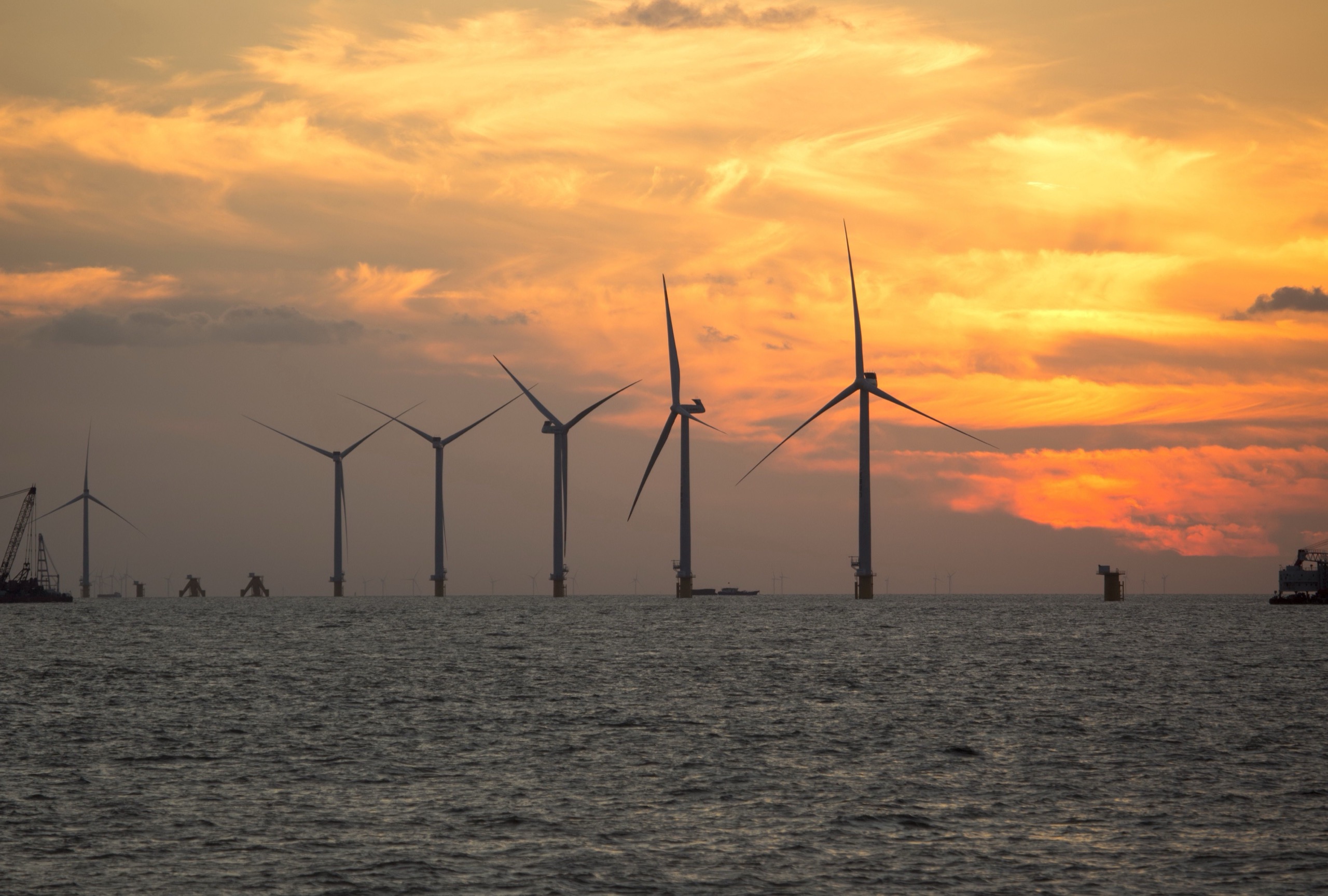
Renewable energy business
To reduce greenhouse gas emissions and achieve carbon neutrality, efforts are being made to increase the proportion of renewable energy use in various sectors, and a variety of projects are being promoted.
Central Development contributes to the construction of power generation facilities for the electricity business, primarily through its expertise in land and sea survey technologies.
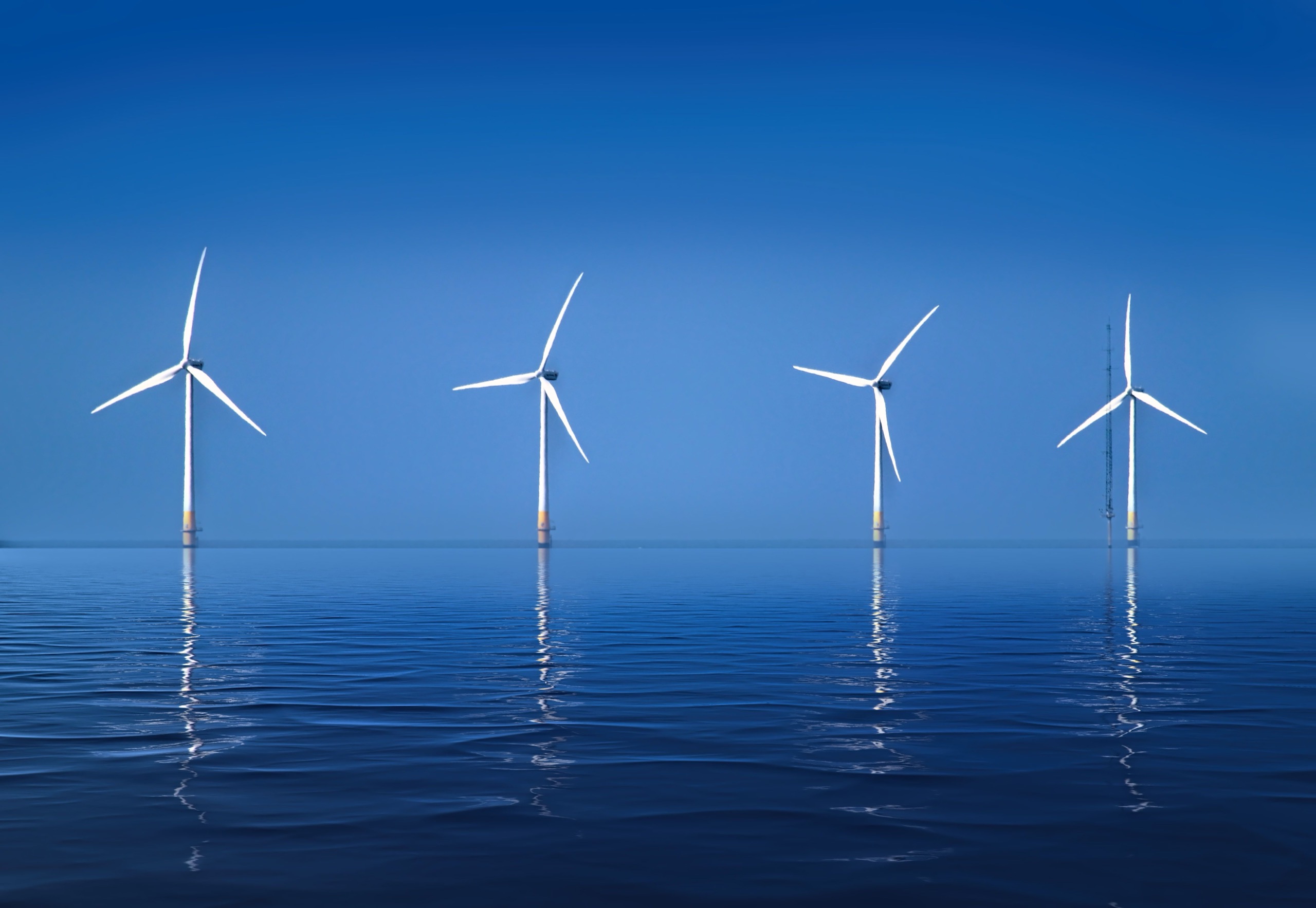
Offshore wind power generation project
Services
Offshore wind power generation in Japan has high potential in terms of wind conditions, and significant economic benefits are expected.
The development of laws for the use of renewable energy in general sea areas has accelerated efforts toward the construction of large-scale power plants, and currently, government-led centralized projects are being promoted.
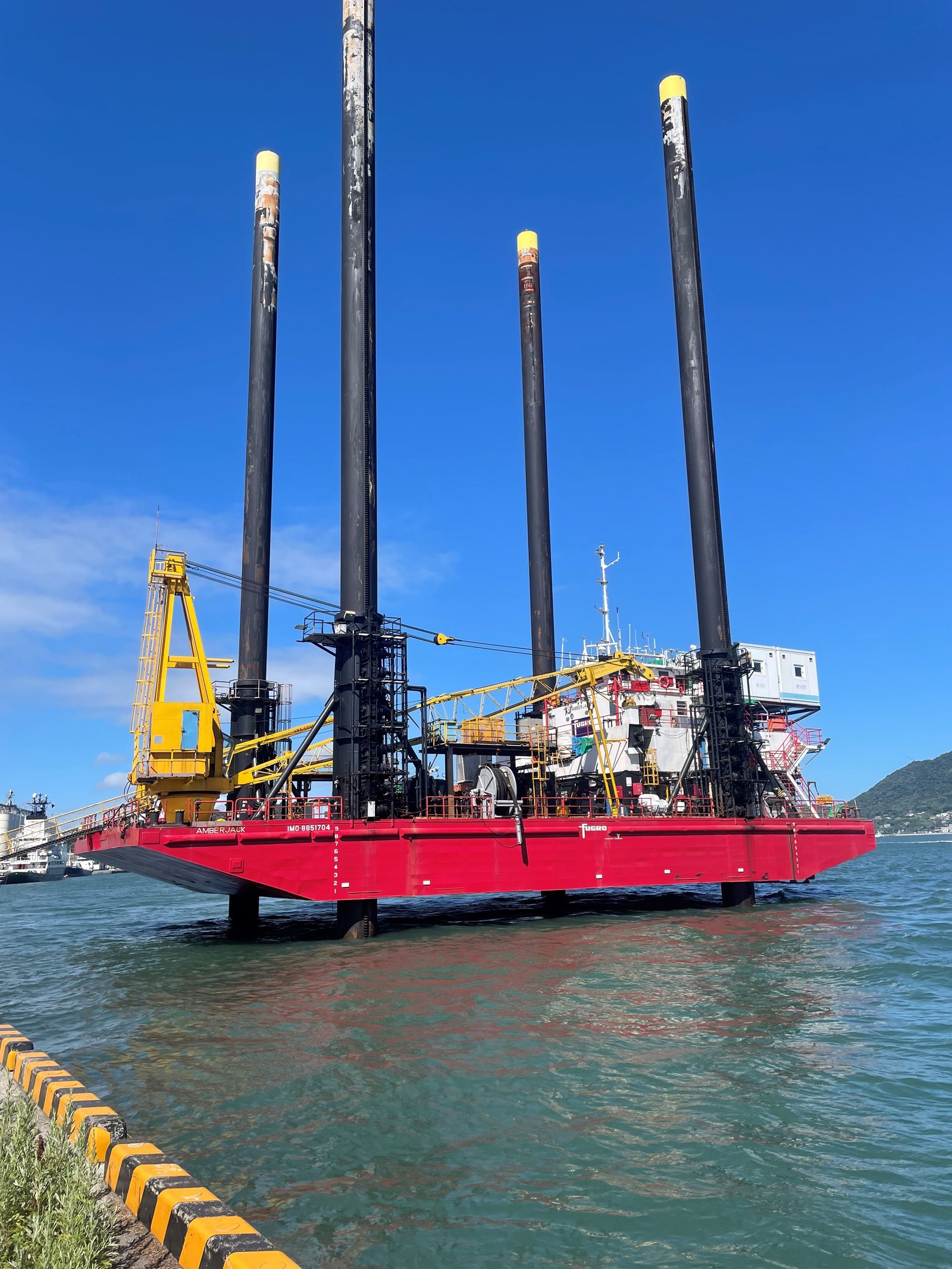
Central Development has developed a unique technology that can be applied to sea areas with a depth of up to approximately 50 meters.“Flexible tilting drilling method”We conduct seabed geological surveys, which are crucial for wind turbine construction, primarily in this area.
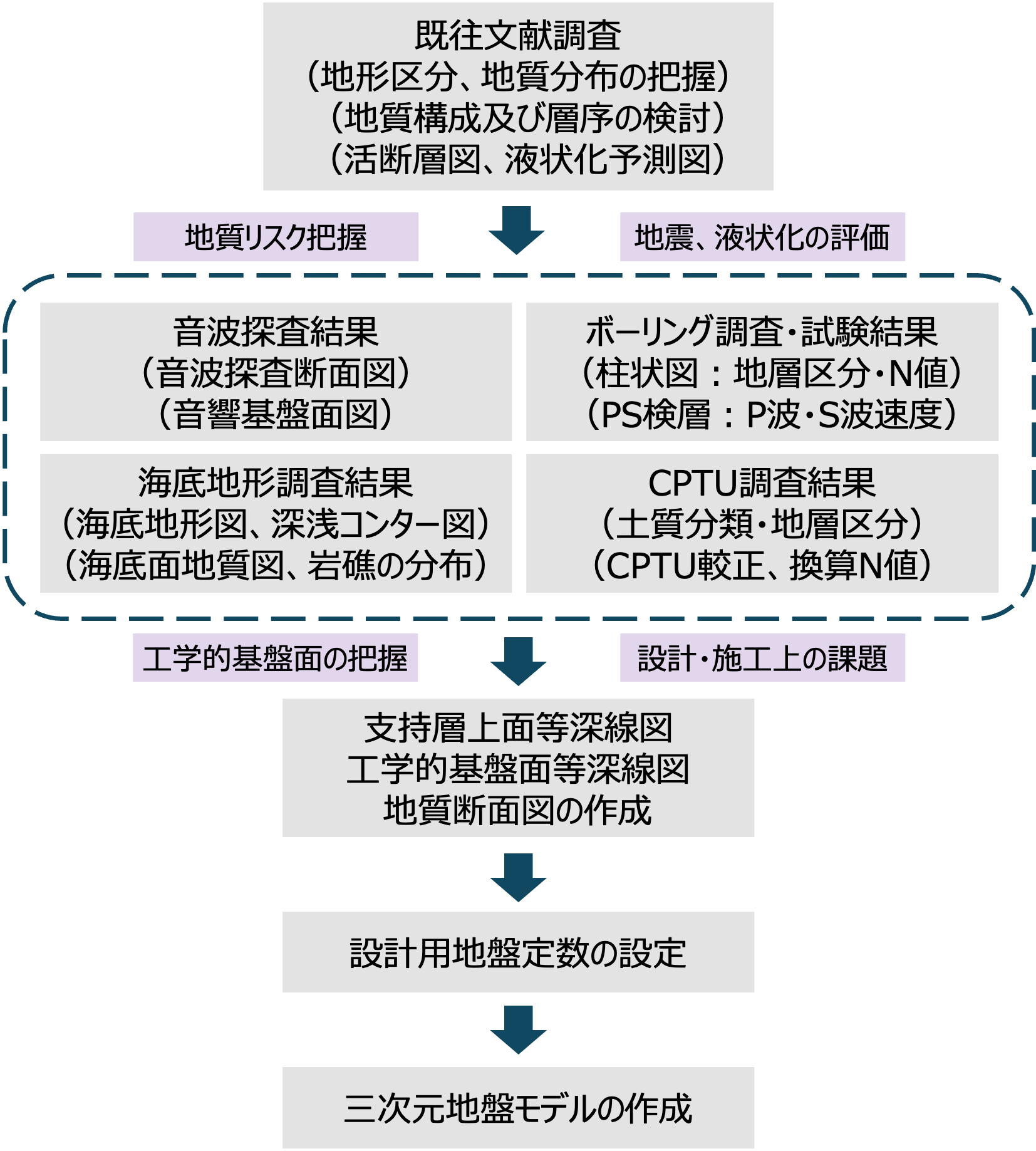
Ground evaluation for offshore wind power plant construction
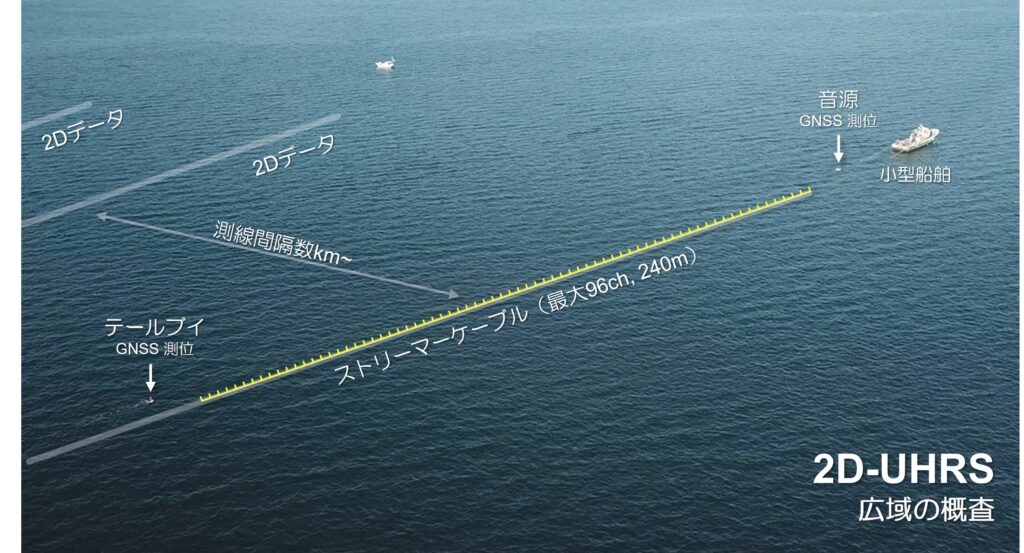
To investigate the seabed ground conditions of the project site, we conduct preliminary desk studies, on-site surveys, laboratory tests, and evaluate and analyze the survey results, providing various types of ground information necessary for design.
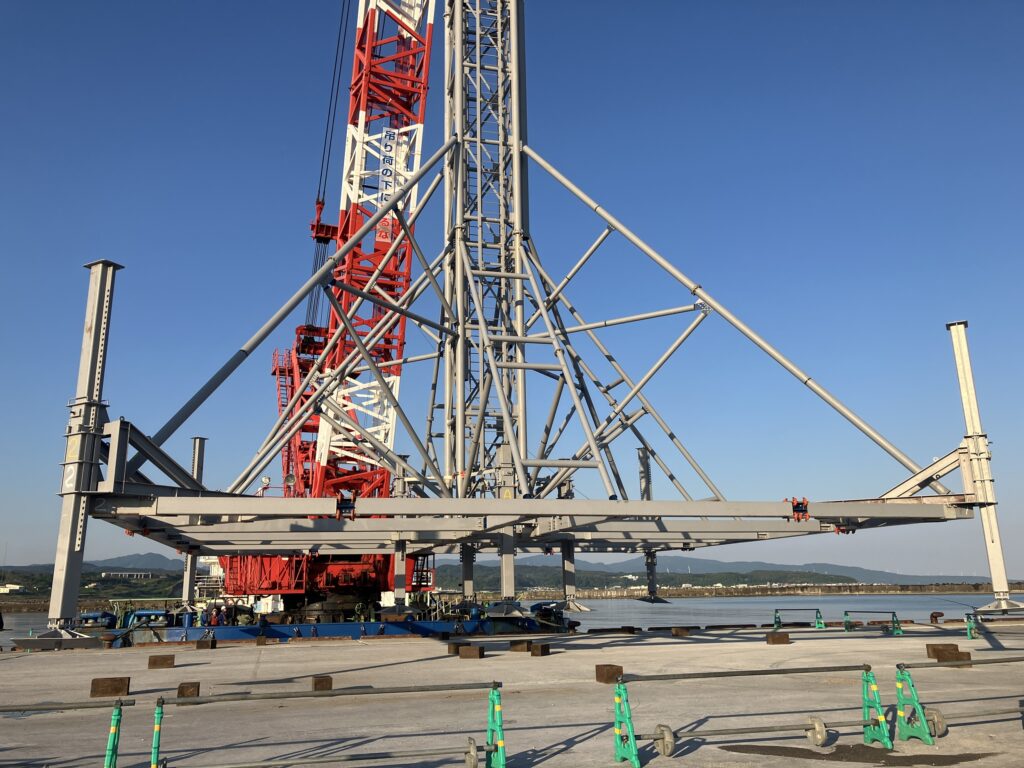
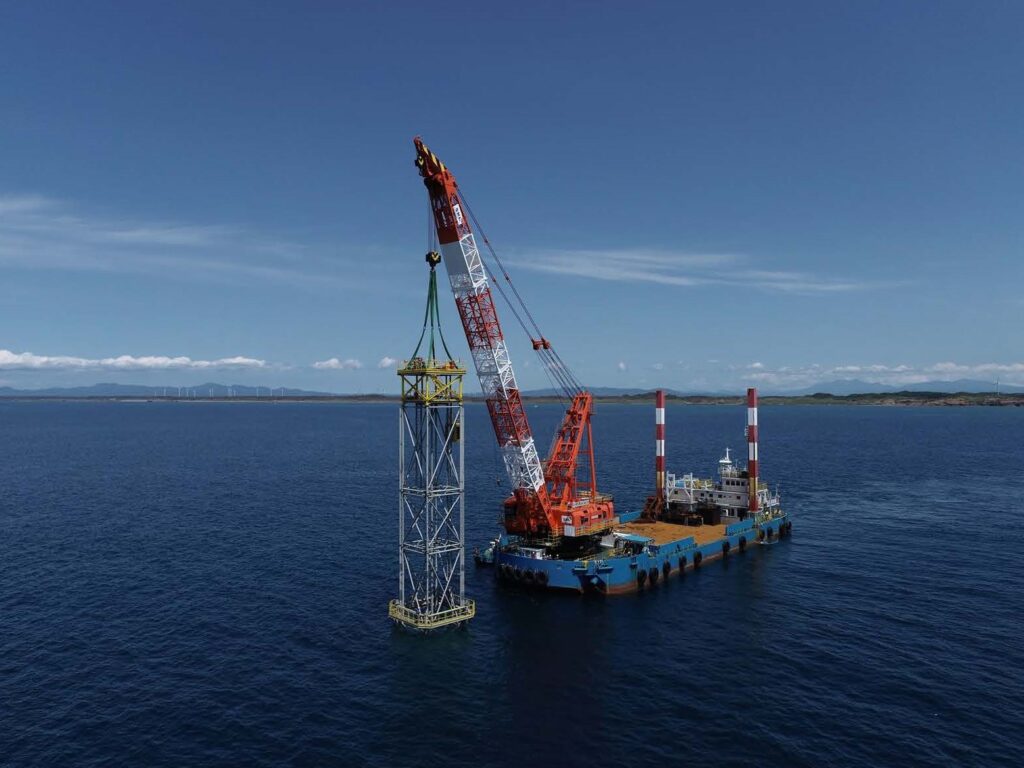
Proposal for appropriate temporary offshore scaffolding based on the water depth of the target area.
For offshore ground surveys, we will propose appropriate temporary scaffolding at sea, taking into account meteorological and oceanographic conditions.
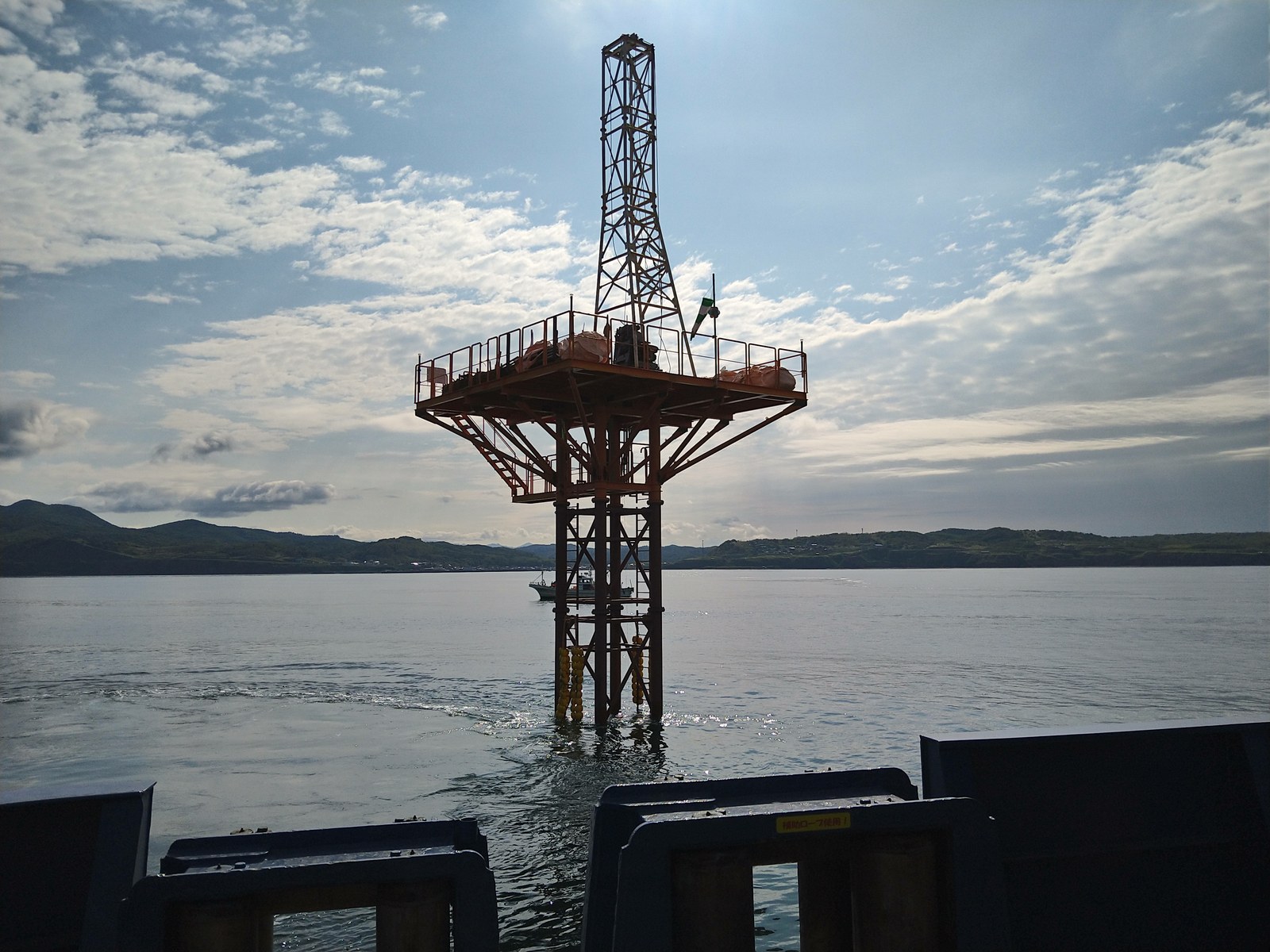
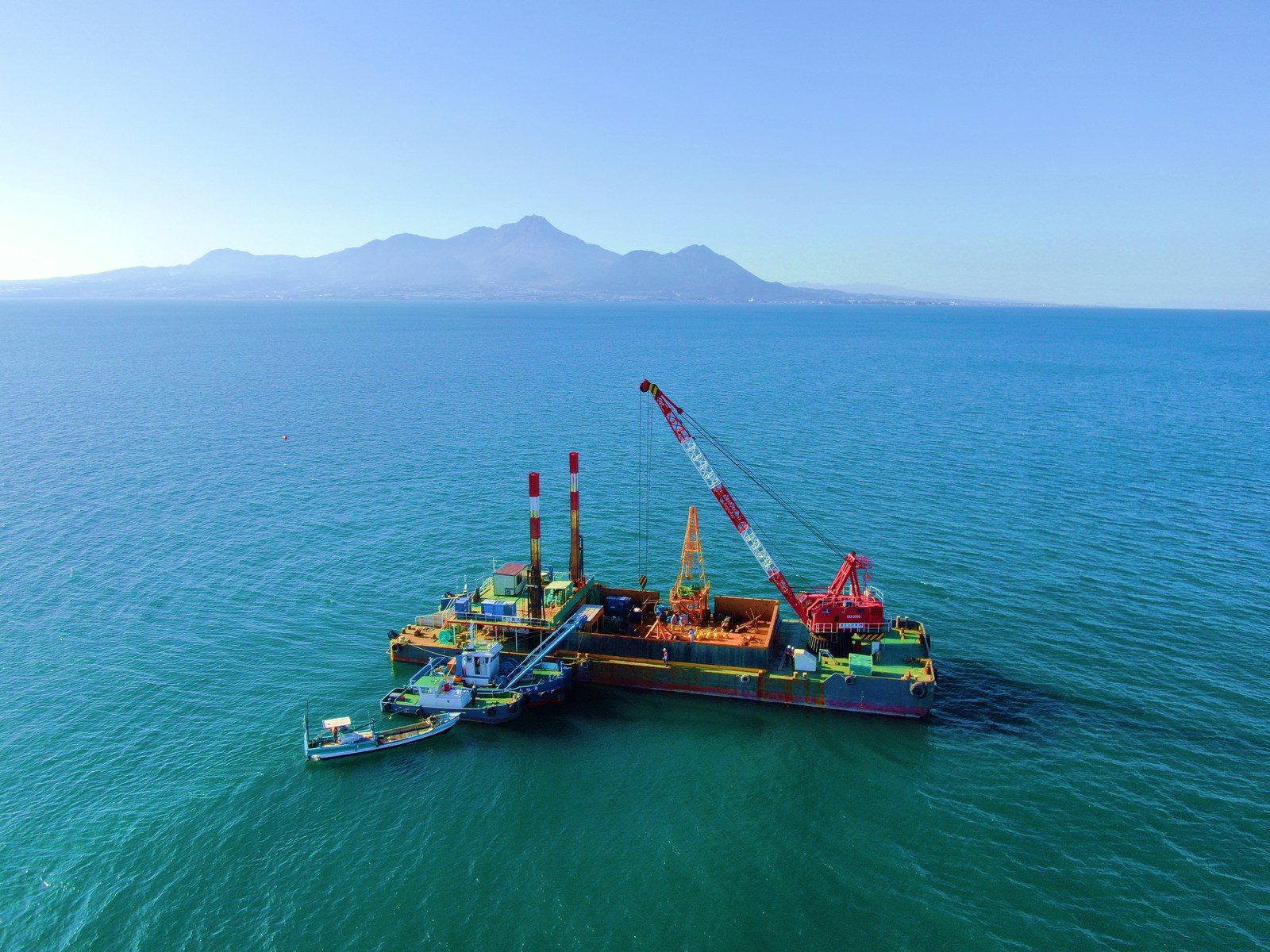
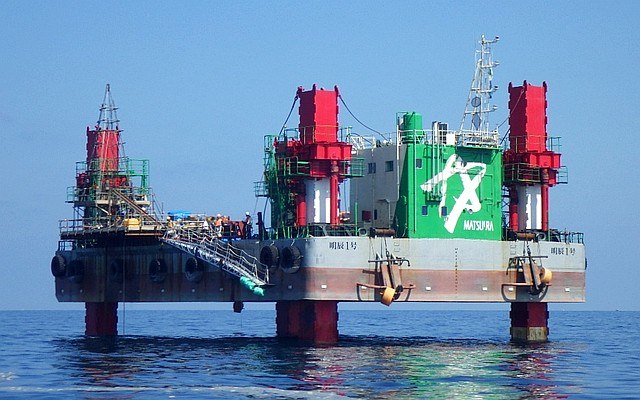
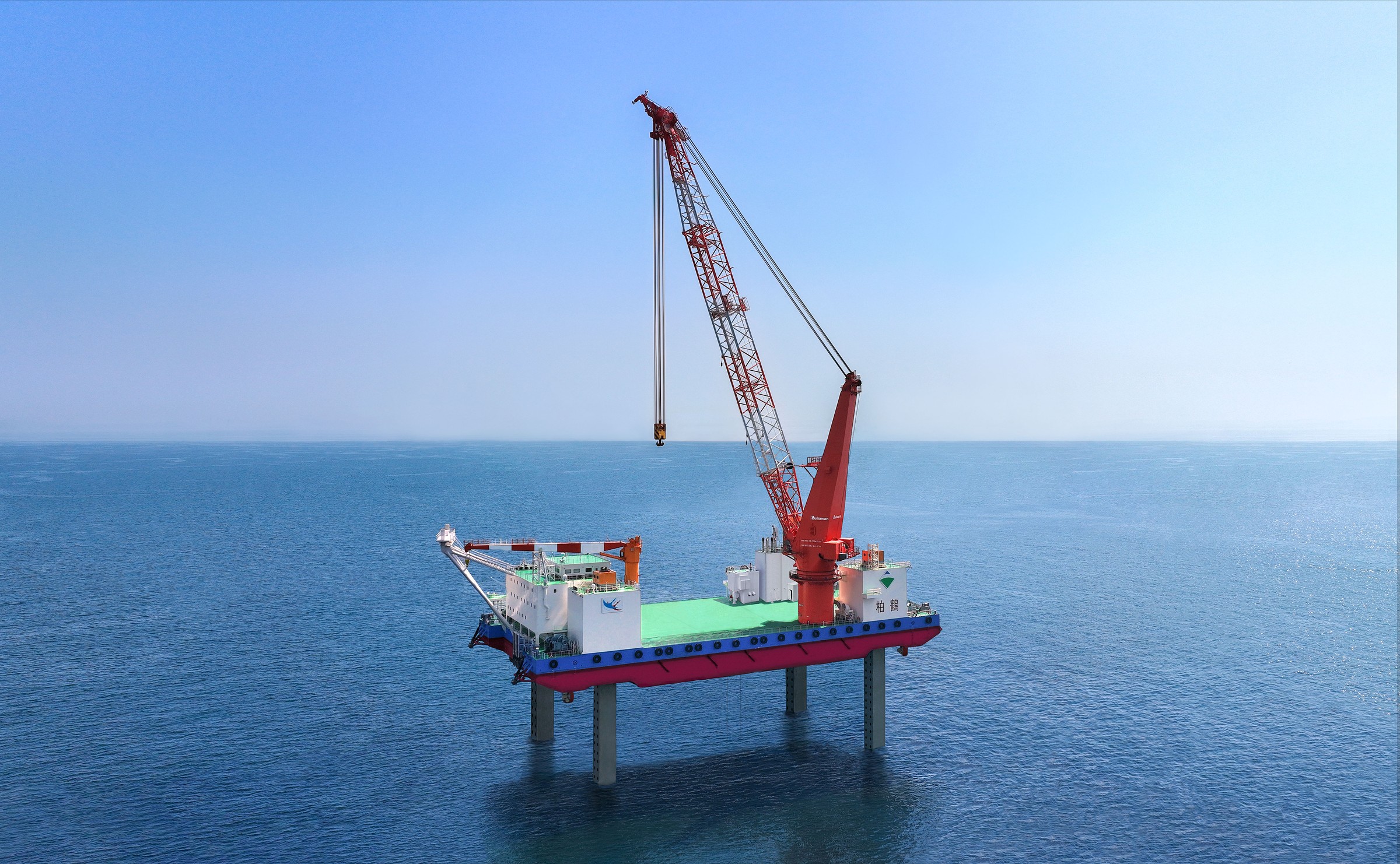
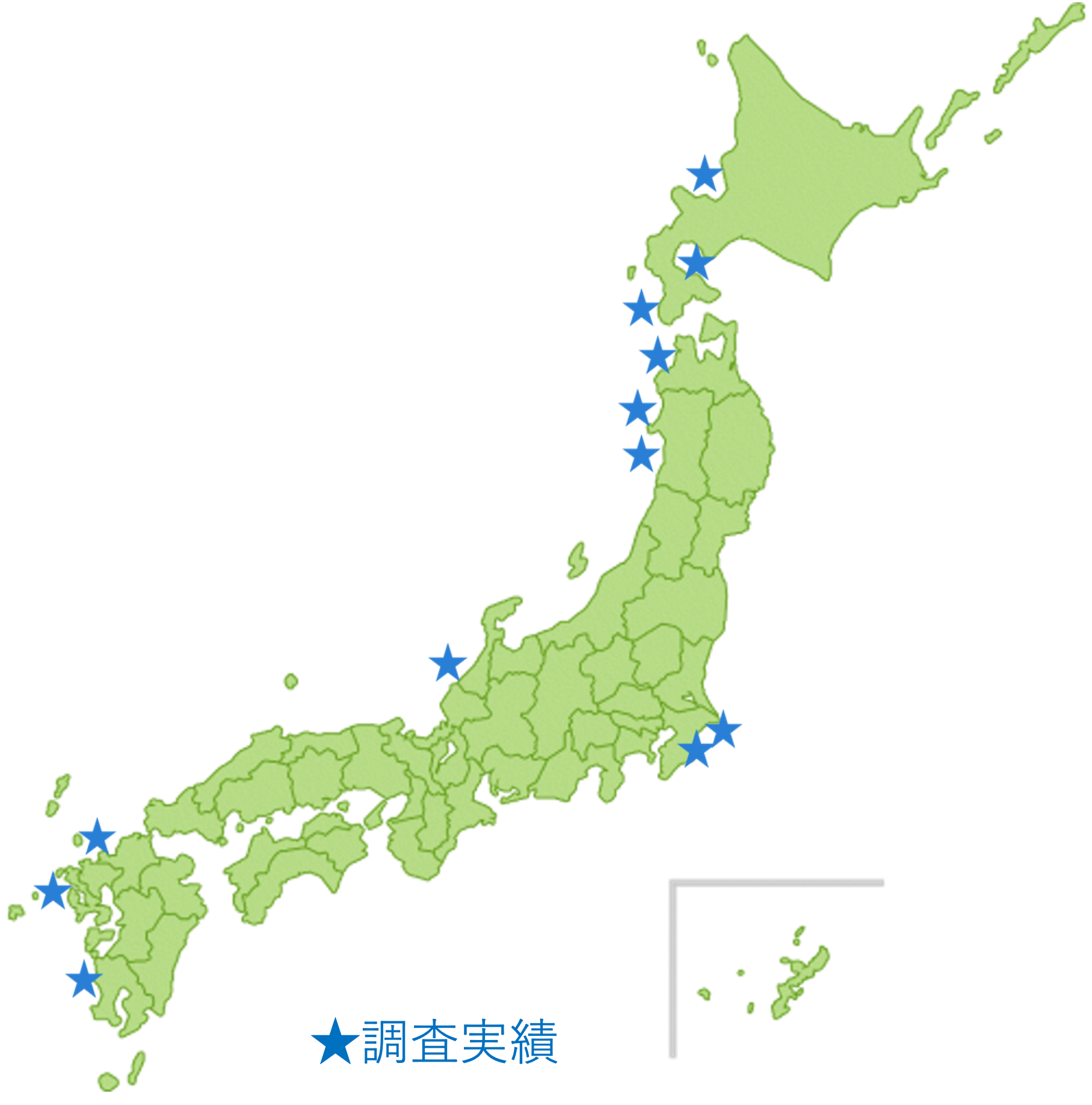
Survey results for offshore wind power generation projects
We have a proven track record of conducting marine surveys for offshore wind power generation projects in coastal areas throughout Japan.
Business collaboration
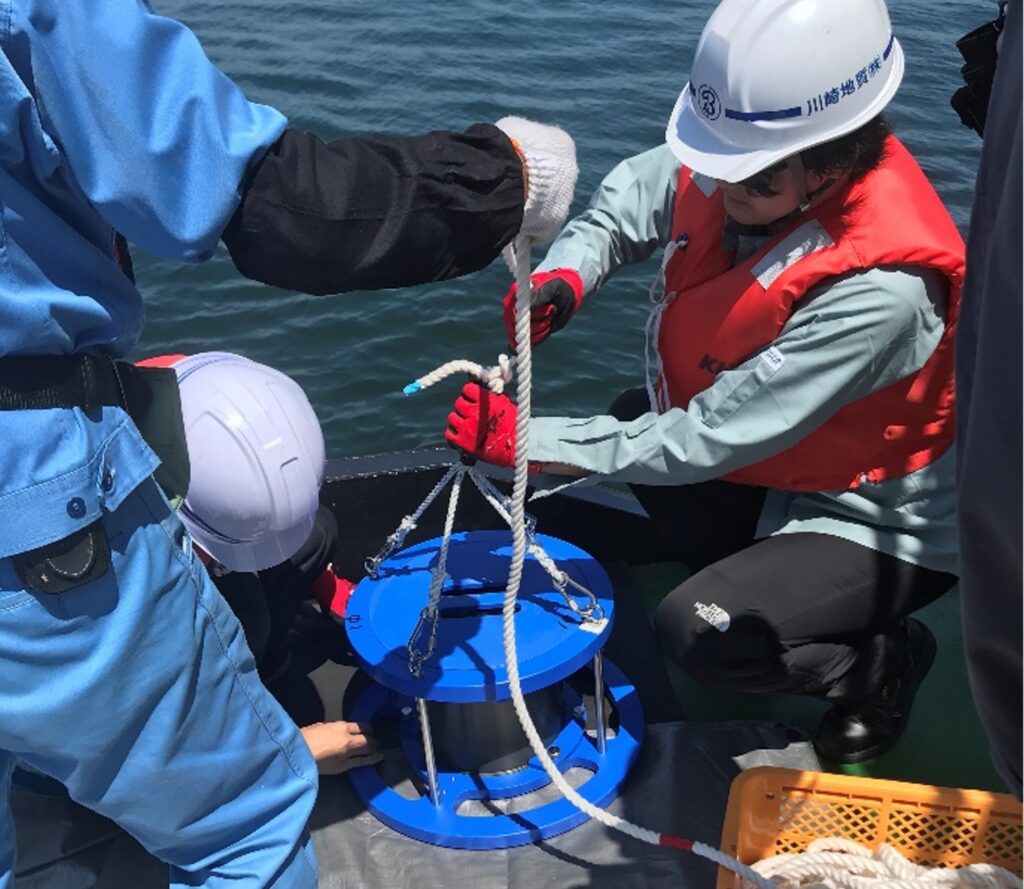
Our company works closely with Kawasaki Geological Engineering Co., Ltd. in the field of geotechnical investigations in marine areas. By combining the strengths of both companies, we will contribute to the development of sustainable social infrastructure by providing high-quality and reliable investigation and analysis solutions to meet the complex needs of marine infrastructure development, including offshore wind power generation. We have also launched a dedicated website for the [CKC & KGE Business Partnership] (external link) .
Sustainable groundwater solutions (Mimori-Well)
Sustainable groundwater solutions
Overview of Aquifer Thermal Energy Storage Systems (ATES)
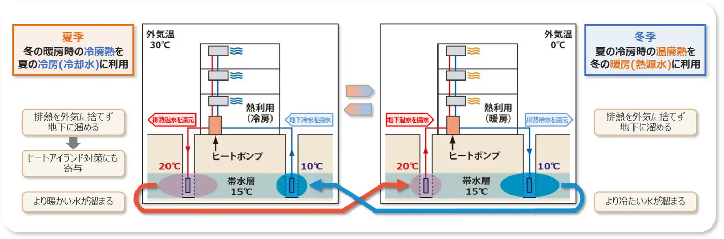
Aquifer thermal energy storage systems are a type of geothermal energy utilization system and are classified as an open-loop system.
The aquifer thermal energy storage system is a technology that involves constructing two heat source wells and, in addition to utilizing conventional groundwater for heat, storing waste heat from heating and cooling in the aquifer, allowing for mutual use between seasons to achieve energy savings, CO2 reduction, and mitigation of the urban heat island effect.
Well drilling technology
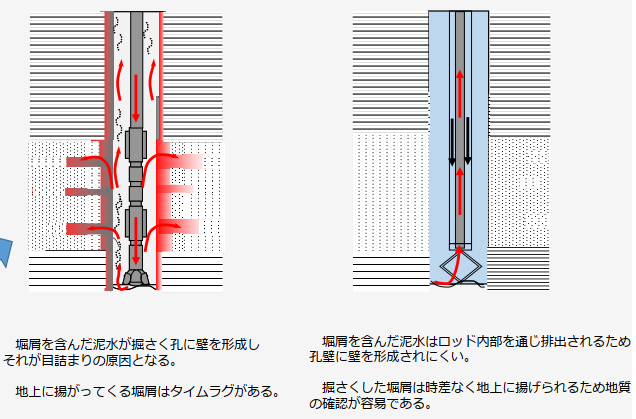
ATES uses a reverse circulation method that does not use bentonite to drill and construct high-performance wells that make the most of the aquifer's capacity.
During drilling, skills are required to manage the water level, viscosity, and pH of the drilling mud. Furthermore, during the well finishing process, meticulous cleaning management is necessary to ensure the clarity of the groundwater.
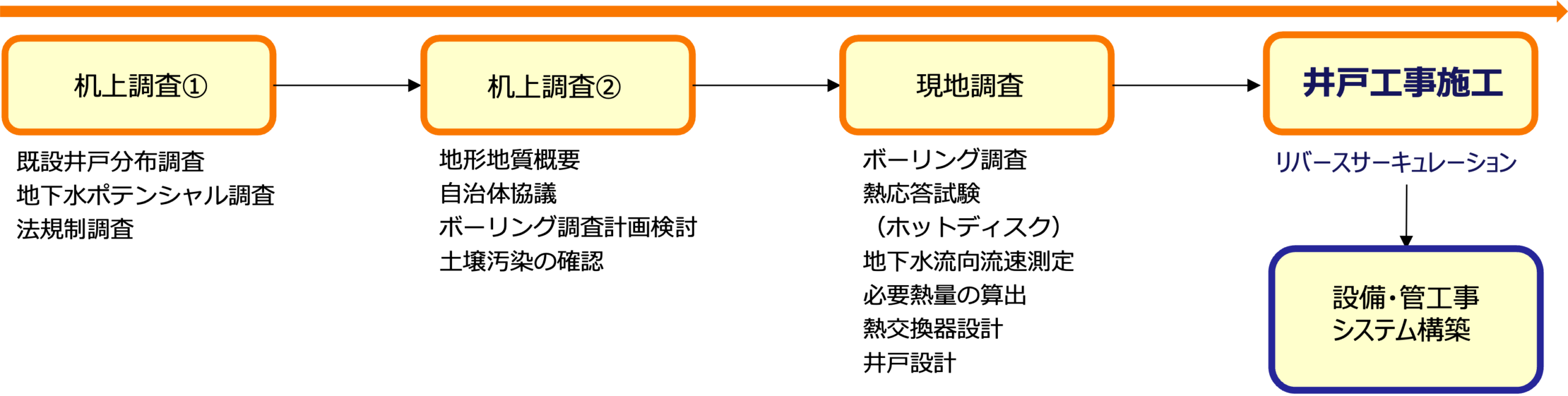
Flowchart for considering the introduction of aquifer thermal energy storage
Chuo Kaihatsu provides comprehensive services, from desk-based surveys to well construction.
Reverse circulation method
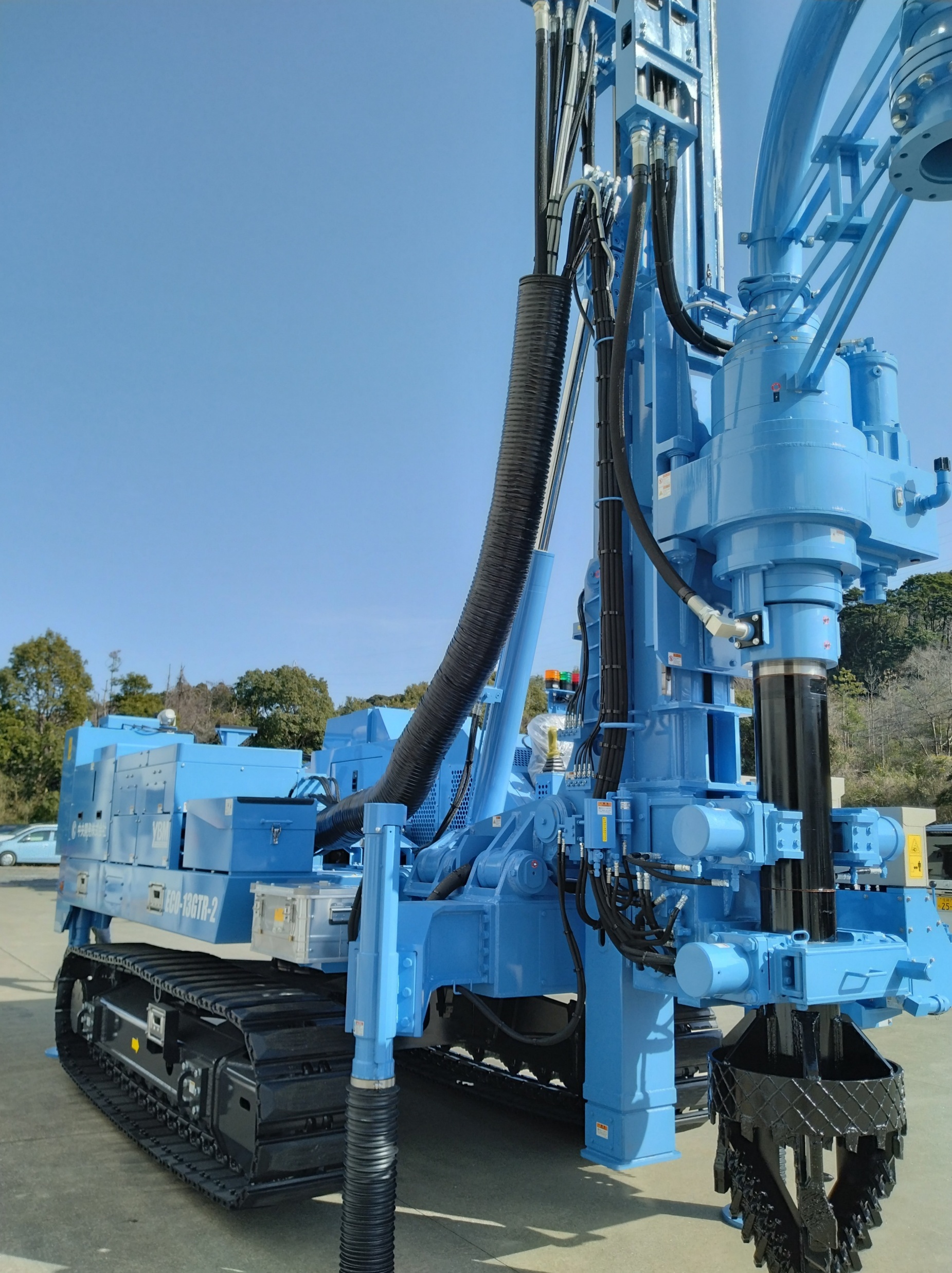
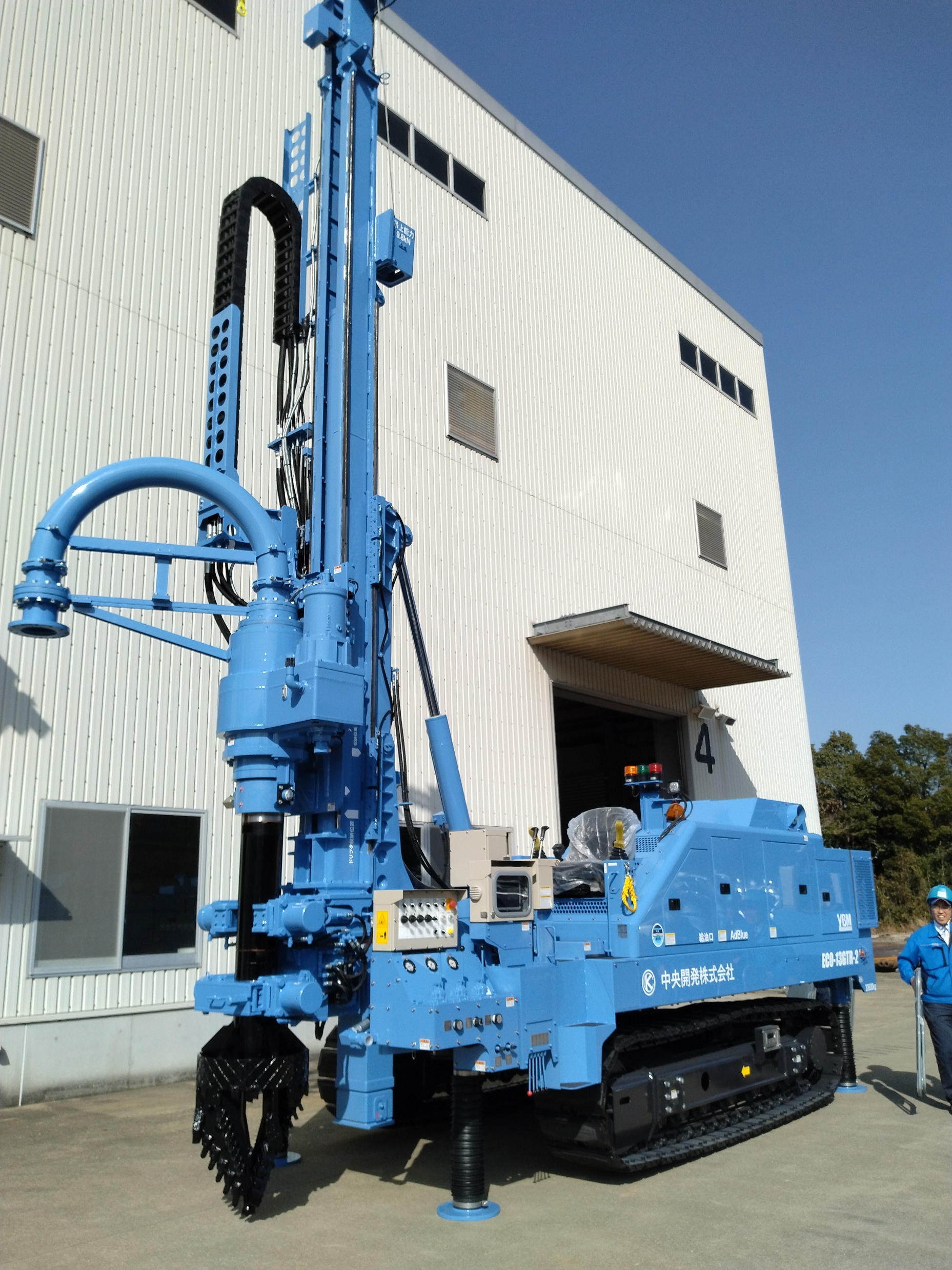
Reverse circulation type boring machine
Features of a boring machine
To avoid clogging of the borehole walls, the reverse circulation method was adopted.
Japan's ground is often composed of large boulders, and the type of machine commonly used in Europe and the United States for water supply purposes does not exist in Japan.
Therefore, we developed a new boring machine to accommodate the limited workspace available in Japan.
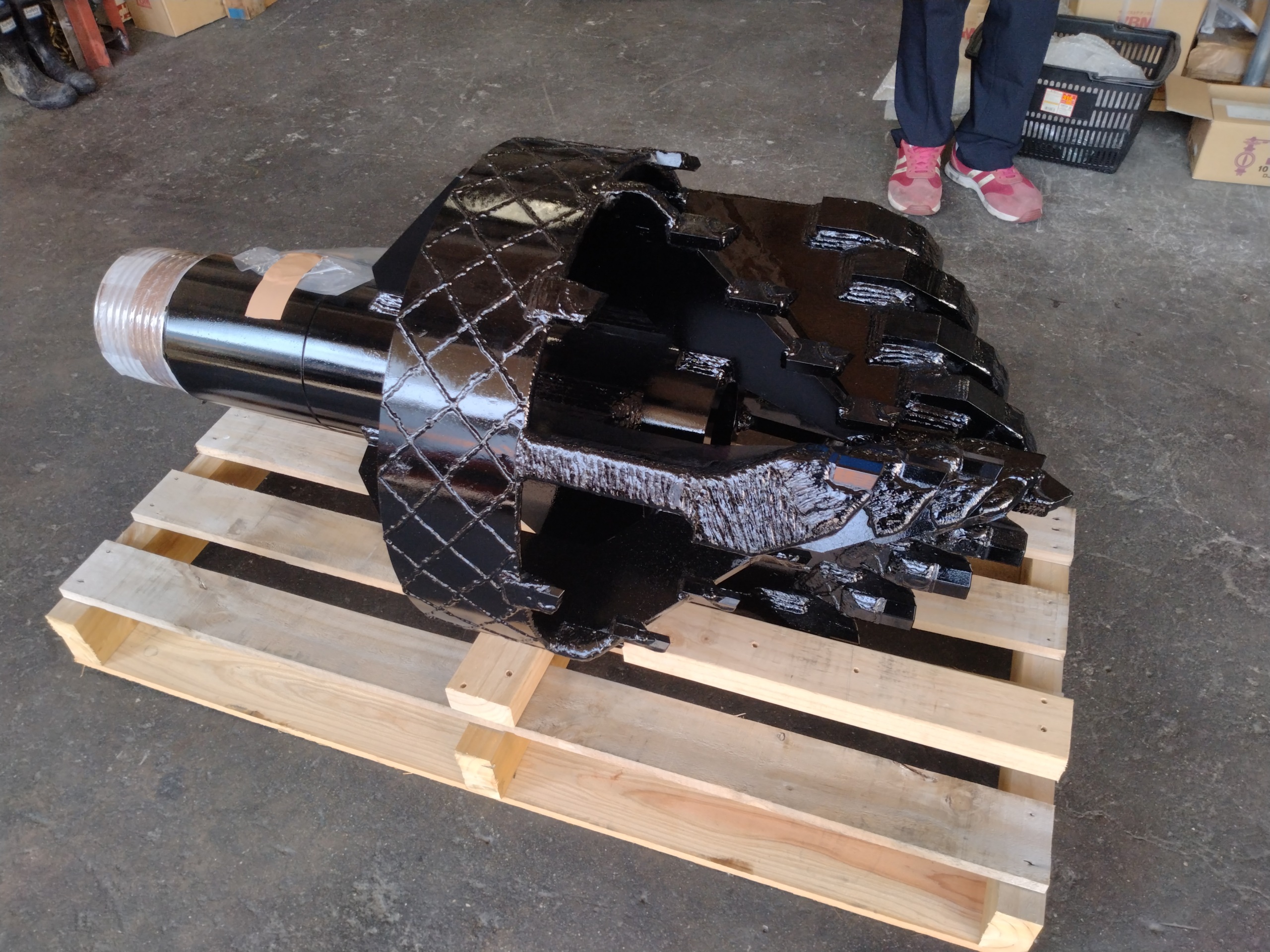
What is the reverse circulation method?
With extensive experience in the Netherlands, where it is widely adopted, the "reverse circulation method," which does not use bentonite and takes care to prevent clogging of the aquifer, is the optimal construction method.
Achievements
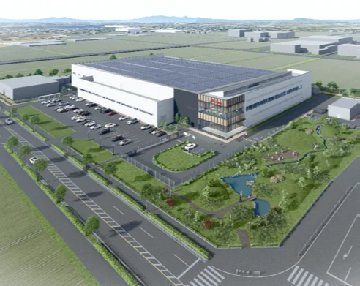
Chuo Kaihatsu provided the technology to Aisan Kogyo's new factory, enabling a maximum water pumping capacity of 100 m³/h and complete water return.
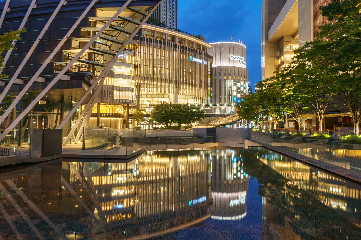
Chuo Kaihatsu is cooperating with the Umeda Kita demonstration project and projects related to the effective use of groundwater.